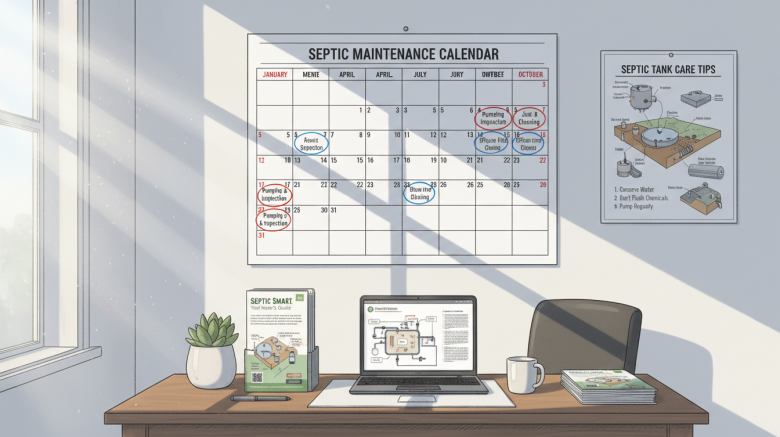
Below the ground exists a smart waste system that manages every drop of sewage biologically. This buried setup is made up of three main working parts that function as a team.
Read online about septic pumping

Read the details about septic pumping

Find out more about septic pumping
The first component is the collection tank, where all household waste initially collects. Next comes the leach field, which spreads effluent into the ground. The surrounding earth serves as the last purification step.
Once waste reaches the unit, gravity immediately begins dividing the layers. Thick waste sink to the bottom, creating a layer called sludge. Less dense substances like grease and fats float upward, forming a floating mat.
The middle section contains clearer water called effluent. This relatively clean water then flows out to the leach bed for further treatment.
Natural bacteria in both the tank and soil play vital roles in digesting organic matter. These tiny helpers aid in safeguarding local water sources by destroying dangerous pathogens.
Grasping how this works explains why routine care is mandatory. The experts from Septic Services of LA can explain your specific system’s operation during their professional visits.
Elements Influencing Cleaning Frequency
The specific details of your household play a major role in setting the correct service timeline. The amount of residents residing in the home directly affects how quickly waste accumulates.
More residents mean more showers, washing machine cycles, and toilet flushes. All these activities contribute to more rapid accumulation of your buried tank.
The size of your wastewater container is just as critical. Bigger tanks can handle more waste and require less frequent attention than smaller ones for the same household size.
| Home Variable | Light Usage | Intense Usage | Maintenance Frequency |
|---|---|---|---|
| Occupancy | 1-2 people | 5+ people | Infrequent vs. Frequent |
| Container Volume | Large tank | Standard size | Less frequent vs. More frequent |
| Daily Water Use | Efficient appliances | Heavy water use | Delated vs. Urgent |
| Solids Volume | Minimal garbage disposal use | Frequent disposal operation | Extended vs. Frequent |
Being water-wise and appliance efficiency also influence your timeline. Aged systems or those showing wear may need inspections more often.
Septic Services of LA evaluates all these elements during their assessment. They build custom schedules that prevent unnecessary service whilst stopping issues.
Proper evaluation helps homeowners save money while keeping the tank safe. Tailored timelines guarantee best operation for your unique needs.
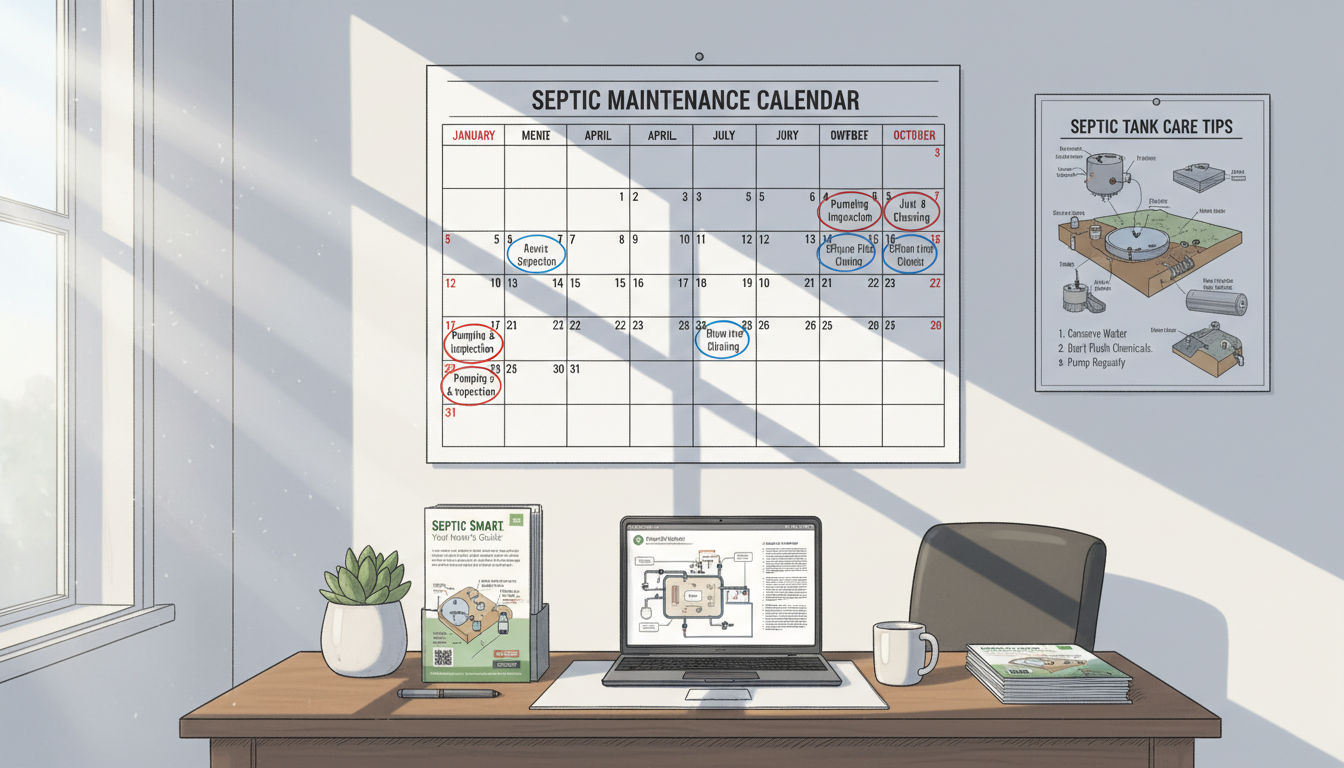
Recognizing Symptoms Of A Full Tank
Your tank communicates if service is due using distinct warnings around your home. Seeing these red flags can prevent major issues and save you significant repair costs.
Slow drains all over the home that resist standard unclogging are usually the first clue. If several sinks and tubs are slow, your system might be full.
Bad smells around the tank lids or drain field indicate escaping gases from an overfull container. These smells mean sewage is backing up.
Standing water or super lush lawn spots over the leach lines show that water isn’t draining. Gurgling plumbing sounds and weak toilet flushes also suggest immediate service is likely needed.
Homeowners can check levels with a sludge judge or stick to measure sludge depth. When the dark material reaches 12 inches at the bottom or scum is 6 inches thick, professional attention is required.
But, opening the access port carries safety risks. Septic Services of LA provides complete checks that remove danger while delivering accurate assessments including pictures of the real situation.
Professional checking finds issues prior to disasters, ensuring your system gets the right service when needed.
Recommended “Septic Tank Pumping Frequency” For Your Home
Residents frequently query how often their septic setup needs service. Common advice is that most units need service every 3-5 years. This serves as a starting point not a hard law.
Your specific situation dictates the ideal timeline. A family of four with a standard 1,000-gallon unit usually requires a pump every 2.5-3 years. Smaller containers with the same people may require more regular service.
| Family Members | Tank Capacity (Gallons) | Basic Schedule | Real-Status Rule |
|---|---|---|---|
| Small family | Standard | Long interval | Check layer depth |
| 3-4 people | 1,000-1,500 | 2.5-4 years | Monitor base layer |
| Large Family | 1,500+ | Every 1-3 yrs | Monitor scum at 6 inches thick |
Fixed intervals are not as good as condition-based schedules. Certain homeowners service their systems more often than necessary. This is expensive and hurts the good bugs.
These microorganisms need 1-3 weeks to recover after service. Over-pumping can harm the biological digestion. The most effective approach relies on actual measurements.
Septic Services of LA formulates custom plans using professional inspections. They examine your specific unit conditions and usage habits. The team keep good logs to establish the best dates for next time.
Best Practices For Tank Pumping And Upkeep
Simple daily habits can dramatically extend the life of your home’s wastewater treatment setup. The pros from Septic Services of LA emphasize that all water leaving your house passes through this underground system. Good maintenance keeps the parts functioning optimally for decades.
Water conservation is a key factor in upkeep. Shower quickly and repair drips fast. Use appliances only with full loads to lower the load on your system.
Watch what you flush. Don’t dump grease, chemicals, or non-biodegradable items into sinks or toilets. Your toilet is only for human waste and toilet paper—not household trash.
Guard the leach area by moving downspouts away from the area. Don’t drive cars on the drain field. Plant big roots far away to stop root intrusion.
Routine checks periodically spot minor problems prior to costly failure. Following these practices will keep your septic system healthy and stretch the time between pump-outs.
Preparing For Your Septic Tank Pump-Out
Getting ready early makes a difference when it’s time for your regular system maintenance. Good prep work ensures the service team from Septic Services of LA can work efficiently and effectively.
Begin by finding your underground wastewater unit. Look at house plans or look for the main sewer line exit leaving the house. Most systems are buried 10-25 feet from the building.
Clean up the spot of obstacles before the appointment. Move stones and pots, and cut back bushes. Make sure the tanker has easy access to the site.
If the access port is buried, you can dig it out to speed things up. Technicians can handle this if necessary. The cleaning job typically takes 20-30 minutes for a standard tank.
While they work, professionals check parts including baffles and pipes. They look for breaks while removing all contents. Costs generally range between $300 and $600 depending on various factors.
Being present during the appointment lets you ask things and get advice. Septic Services of LA gives detailed reports to help track your system’s health through the years.
Leveraging Professional Septic Services For Optimal Care
Professional maintenance transforms regular chores from a chore to a benefit in your property’s health. Attempting to handle wastewater system service yourself invites bad cleaning and potential damage.
Specialized vacuum equipment and proper disposal permits are required for doing it right. Professional technicians understand how to avoid toxic fumes while working.
Choosing a provider, check their credentials and client feedback. Transparent pricing and experienced staff indicate trustworthy work for your family.
Septic Services of LA stands out as the top choice throughout the Los Angeles area. Their team provides full service including routine maintenance and urgent repairs.
Technicians conduct thorough inspections during each visit, identifying potential issues before they get expensive. They maintain detailed records to improve your pumping plan as years pass.
Extra benefits include locating buried components and giving custom advice. Their commitment to customer education ensures you know what your tank needs.
With flexible scheduling and prompt response times, Septic Services of LA provides trusted help that saves your asset. Their expert method guarantees proper handling from start to finish.
Post-Pumping Care For Your Septic Unit
The septic system starts a rebuilding period after professional service. The good bacteria that digest solids require a while to rebuild their colonies.
The microbes usually need a few weeks to return to optimal levels. In this time, be careful of your household’s water consumption.
Continue avoiding strong cleaners and trash in the pipes. Maintain the good habits that help extend time between service appointments.
Set a check-up plan every 1-3 years to monitor accumulation rates. This smart strategy helps catch developing issues early.
Save the paperwork of all maintenance activities and observations. Septic Services of LA helps customers track this valuable information for best results.
Look out for alerts like clogs or unusual odors around your drain field. These indicators can show if the tank needs help.
Yearly looks of your property and continued water conservation practices help with lasting durability. Proper care in between calls significantly extends system life.
Summary
Managing your septic care begins with understanding its unique rhythm. No single timeline exists that fits every household. The correct interval relies on your family’s size, usage habits, and the volume of solids entering the system.
The most reliable method involves checking the waste depth in the tank. Watch for warning signs like slow drains or weird smells. This tells you you need help.
Good daily habits save the system and can lengthen the gap between service appointments. Trusting experts like Septic Services of LA guarantees safe, thorough care and personalized advice.
Want a setup that runs smoothly for years? Call Septic Services of LA today for a expert check and keep your home’s wastewater treatment in top shape.
Related: Read Here About Septic Pumping And Property Value Impact