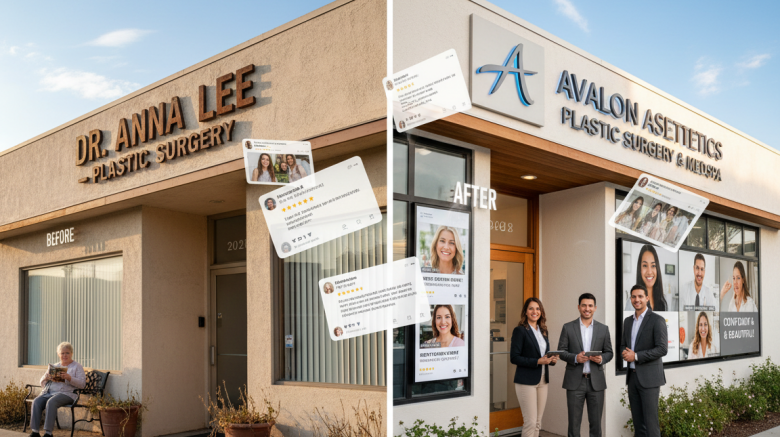
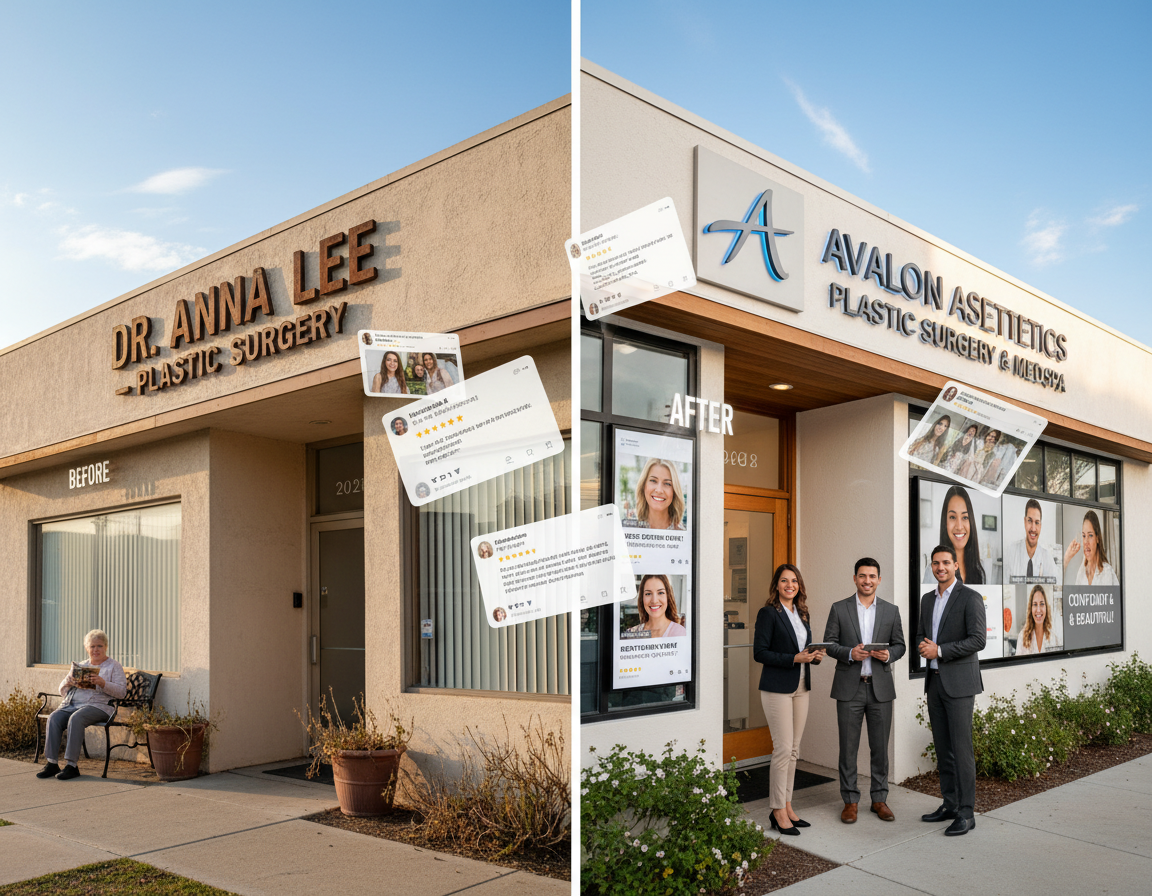
Plastic Surgeon SEO Firm provides actionable, data-driven digital marketing strategies for plastic surgeons. Each solution is designed to support measurable growth for the practice. They combine plastic surgery digital marketing, plastic surgeon seo services, paid media, reputation management, conversion optimization, and analytics. As a result, practices can attract more qualified consultation requests.
Boost Visibility For Your Cosmetic Surgery Clinic
In highly competitive markets such as Miami, this approach increases visibility and reaches patients with far greater precision than traditional media. It also strengthens visual trust through galleries and video content. Its goal is to expand online visibility, lift conversions on procedure pages, and deliver transparent ROI through channel tracking.
This article covers the patient decision journey, core website and SEO fundamentals, paid media and lead-generation systems, social and reputation tactics, and ROI measurement while keeping compliance in view. It provides step-by-step guidance and examples for medical marketing for plastic surgeons and plastic surgery lead generation.
Essential Takeaways
- Plastic surgeons can grow consultations by combining SEO, paid media, and reputation-focused digital marketing.
- Plastic Surgeon SEO Firm and PlasticSurgeonSeoFirm.com focus specifically on plastic surgery digital marketing and plastic surgeon seo services.
- Targeted online strategies outperform traditional advertising in precision and measurability.
- Visual assets like before-and-after galleries and video build patient trust.
- Transparent analytics and conversion tracking make ROI measurable for practice investments.
Understanding Today’s Cosmetic Surgery Patient And Market Dynamics
Today’s elective patients start their search online, often spending weeks or months weighing their options. That long decision cycle means practices must connect with prospects at several touchpoints. Consistency across platforms is key.
Visual proof and social validation drive patient research. Roughly nine out of ten people review feedback before making a decision. As a result, Google reviews, Instagram galleries, and RealSelf entries become central to shaping first impressions.
Demographic trends reveal that most procedures are performed on women, with the 40–54 age group leading the way. Male interest has surged in recent years, while teens remain a small fraction. This mix of audiences requires tailored messaging for different genders, age groups, and life stages.
Market data indicates that liposuction, facelifts, blepharoplasty, and breast augmentation are among the most sought-after procedures. Practices that showcase clear procedure pages and before-and-after portfolios attract more serious inquiries during the discovery phase.
In competitive markets like Miami, patients scrutinize surgeons’ videos, reviews, and galleries before booking. A cohesive digital presence with strong visual trust signals can speed up decision-making and lead to more consultations.
Digital marketing makes neighborhood-level targeting possible, reducing waste compared with broad offline advertising. For clinics in places like Brickell or Coral Gables, targeted campaigns improve cost efficiency while supporting local reputation growth.
Long consideration periods benefit from nurturing strategies. When email and SMS campaigns mirror the patient journey, clinics stay top of mind. This approach improves conversion from inquiry to consultation.
Core actions include building detailed customer avatars, mapping the decision path, and prioritizing reviews, procedure pages, and visual content. These steps are essential to effective plastic surgery digital marketing because they help reach the right patient at the right time.
| Marketing Area Of Priority | Why It Matters | Example Metrics |
|---|---|---|
| Review Oversight | Builds trust during early patient research behavior; influences selection | Average rating, review volume, response rate |
| Procedure Pages | Captures intent during the cosmetic surgery patient journey and improves SEO visibility | Organic traffic, time on page, conversion rate |
| Visual Proof & Video | Establishes credibility quickly in competitive markets | Engagement, plays, gallery views, consult requests |
| Local Audience Targeting | Improves local lead quality while reducing wasted ad spend | Cost per lead, local impression share, geotargeted conversions |
| Automated Nurture Systems | Keeps contact active during long decision cycles and increases booking rates | SMS replies, email open rate, booking conversion |
Plastic Surgery Digital Marketing: Core SEO, Website, And Conversion Strategies
A modern practice requires a website that turns visitors into booked consultations. That site should be mobile-friendly, secure, and fast. Clear calls to action, certifications, and staff bios should be included. Dramatic before-and-after galleries are essential for building trust.
Visual outcome tools and consultation scheduling that include outcome previews are important. These tools help close patients while they are still comparing options.
Optimizing website conversion starts with simple, measurable funnels. Landing pages for specific procedures should include focused forms and testimonials. It is also important to include FAQs about risk and recovery.
A/B testing can improve headlines, button wording, and form length. Fast load times and an intuitive booking flow reduce drop-off from search to call.
On-page optimization and technical work improve organic visibility and align with patient intent. Structured procedure pages and schema for medical specialties make sites easier for Google to crawl. HTTPS security and local directory listings also strengthen local trust.
Technical SEO tasks include site speed optimization and mobile responsiveness. Proper header tags and clean URL structures support better indexation. Schema markup for procedures and physician profiles makes the content clearer to search engines.
Routine technical audits uncover crawl errors and page-speed bottlenecks. That work is essential for sustaining a strong online presence.
Content strategy builds authority and drives targeted traffic. Editorial calendars focused on patient questions and procedure risks attract high-intent visitors. Content about incision techniques and anesthesia options supports procedure-specific SEO.
PR placements and guest articles on medical publications generate backlinks that reinforce rankings. Educational pages that answer common pre-op and post-op concerns reduce friction during consultation calls. Combining content with conversion-focused design ties medical marketing to measurable lead growth.
An integrated strategy combines plastic surgeon seo services with conversion-focused web design. When agencies align local SEO, technical fixes, and landing-page testing, they often generate steady consultation volume. Ongoing tracking and iterative refinement help keep performance aligned with both patient behavior and market trends.
Paid Media, Remarketing, And Lead Generation For Plastic Surgeons
Paid channels offer immediate visibility and consistent appointment flow with targeted ads and conversion-focused content. Clinics that combine targeted search with social prospecting attract high-intent patients. This also helps them build a larger pool of leads. When ads are aligned with landing pages and supported by automated follow-up, clicks are more likely to turn into consultations and revenue.
Google Ads And Paid Search Tactics
Pay-per-click offers a fast route to qualified leads. Start with high-intent keywords like “breast augmentation surgeon near me” and add geo-targeting for specific areas. Use responsive search ads, exact and phrase match keywords, and call-only campaigns to lower cost per lead on competitive searches.
Conversion tracking and call analytics are essential to measure ad performance. Agencies often A/B test headlines and landing pages to lower cost per lead while keeping procedure relevance high.
Audience Targeting And Social Advertising
Paid social works well for creative testing and prospecting. Facebook and Instagram allow advertisers to build lookalike audiences from patient lists. They can then test video and carousel ads with before-and-after images and short patient stories.
Targeting by age, gender, income, and ZIP codes helps reach specific audiences in dense markets like Miami or Los Angeles. Changing ads regularly helps prevent audience fatigue and may reduce costs over time.
Remarketing Strategy And Nurture Funnels
For patients evaluating several options, remarketing keeps the brand top of mind. Using Google Display and social platforms together allows tailored retargeting messages to reach previous site visitors.
Nurture funnels rely on segmented SMS and email sequences to share financing options, success stories, and FAQs. Email is a high-ROI channel for upsells and referrals when combined with timed remarketing ads.
Lead Capture And Automated Follow-Up With AI Scheduling
To perform well, landing pages need to match the ad message while offering short forms, strong CTAs, and trust indicators like certifications and reviews. Phone tracking, form integrations, and CRM connections help measure CPL and patient LTV.
Multi-step email flows, SMS confirmations, and intent-driven call scripts are all part of effective follow-up automation. AI scheduling for medical practices like automated chat or voice schedulers helps capture appointments outside business hours and reduces no-shows.
- Use high-intent keywords and geo-targeting to build search campaigns.
- Use paid social to support prospecting, creative testing, and lookalike audience building.
- Deploy remarketing for plastic surgeons to re-engage site visitors with testimonials and video.
- Put conversion tracking, CRM workflows, and AI scheduling for medical practices in place to shorten lead-to-booking timelines.
Social Media, Reputation Management, And Video For Practice Growth
Digital presence now drives patient choice. Practices that pair strong visual proof with fast response systems win trust and referrals. Here, the focus is on practical steps for growing social followings, protecting reputation, and turning happy patients into advocates.
Visual Trust Signals: Before-And-After Galleries Plus Video Content
Before-and-after galleries continue to be the most persuasive asset in cosmetic marketing. A standardized photo workflow with consistent lighting, angles, and HIPAA-compliant releases creates professional albums that reduce patient anxiety.
Short patient testimonials and procedure explainers on video amplify those galleries. Prospective patients gain more clarity from clips that show true recovery timelines and include surgeon narration.
Platform Strategy: Instagram, TikTok, YouTube, And RealSelf
For discovery and brand personality, Instagram and TikTok play a major role. Reels and short-form videos highlight quick transformations, surgeon presence, and clinic culture. YouTube hosts longer educational content and full procedure walk-throughs for those researching options.
RealSelf marketing targets high-intent audiences comparing providers. On RealSelf, detailed galleries and clear responses to patient questions help move prospects from research to consultation.
Review Strategies And Online Reputation Management
Plastic surgeon online reputation management requires systems that request reviews automatically after visits, track feedback, and surface top testimonials on the website.
Replying to Facebook and Google reviews within 48 hours demonstrates responsiveness and improves public perception. To increase credibility, use review snippets in both ads and landing pages.
Referral And Influencer Programs
When it follows ethical guidelines and local regulations, referral marketing for plastic surgeons can increase word-of-mouth. Structured referral programs can reward patient advocates without compromising compliance.
Micro-influencer partnerships can expand reach across target demographics. Influencers who document consultations and results generate authentic interest. Track performance carefully so cost per lead and conversion can be measured clearly.
| Platform | Primary Purpose | Best Content | Primary Metric |
|---|---|---|---|
| Instagram Channel | Audience discovery and brand building | Before-and-after galleries, Reels, Stories | Engagement rate, lead volume |
| TikTok Platform | Viral short-form reach | Patient stories, procedure snippets | View-through rate, share rate |
| YouTube Platform | Research and education | Explainer videos, full testimonials | Watch time, search visibility |
| RealSelf Platform | High-intent patient comparisons | Detailed galleries, Q&A responses | Conversion and consultation requests |
| Google & Facebook Reviews | Proof of reputation | Star ratings, written testimonials | Response time and average rating |
Measurable growth becomes more achievable when targeted social media for plastic surgeons is paired with consistent visual documentation and automated review systems. When galleries, video, RealSelf presence, and referral marketing for plastic surgeons align, practices stand out in competitive markets.
Measuring ROI, Analytics, And Compliance In Medical Marketing
Digital channels can provide very clear performance signals when tracking is set up correctly. Practices should build a unified dashboard. This dashboard should integrate data from Google Analytics, Google Ads, call-tracking, social insights, and the CRM. A unified view enables teams to focus on the most impactful tests, budget shifts, and compliance checks without uncertainty.
Core KPIs For Plastic Surgeons
It’s essential to track a concise set of KPIs to gauge the effectiveness of marketing efforts. Important metrics include cost per lead, cost per consultation booked, and conversion rates throughout the funnel. Also, track the lifetime value of a patient, organic rankings for key procedures, review volume, average rating, and social engagement. Together, these KPIs show more than traffic alone; they also clarify commercial impact.
Attribution, A/B Testing, And Optimization
Implementing marketing attribution for medical practices is vital to understand the impact of multi-touch journeys. Use UTM parameters, call-tracking, and CRM lead-source fields to connect inquiries to campaigns. This approach reduces bias from last-click views and highlights where to scale spend.
Continuous A/B testing should be applied to headlines, ad creative, landing pages, CTAs, and email subject lines. Small improvements in conversion rates can add up quickly. Agencies that combine conversion tracking and audience testing often see a decrease in cost per lead through continuous optimization.
Ethical And Regulatory Considerations
Compliance in medical marketing must be a fundamental aspect of every activity. Follow HIPAA rules for patient data, secure signed photo and video release forms, and make sure claims are accurate and not misleading. Because state medical board rules on referral incentives and advertising differ, every jurisdiction should be reviewed before a program goes live.
Paid promotions within influencer and referral programs must include FTC-style disclosures. Maintain detailed audit trails for consent, creative approvals, and medical accuracy. Doing so supports both trustworthiness and practice integrity.
Implementation Checklist
- Set up a unified analytics dashboard with Google tools, call-tracking, and CRM data.
- Define and report on measuring ROI for plastic surgery marketing monthly.
- Apply marketing attribution for medical practices to guide budget allocation.
- Run structured A/B tests and document the results for iterative optimization.
- Enforce compliance in medical marketing by using consent forms, reviewing claims, and performing legal checks on promotions.
Final Thoughts
Plastic surgery digital marketing is most effective when it operates as a coordinated system. It transforms patient intent into booked consultations. It begins with patient-centered research and a website designed for conversion. It also includes procedure-specific SEO that boosts visibility for cosmetic surgery marketing strategies and plastic surgeon SEO services.
Paid media and remarketing ensure targeted reach. Strong visual proof and reputation management build trust. Together, these tactics strengthen plastic surgery lead generation and create clear paths from initial contact to consultation.
Practices should routinely audit their digital assets and clearly define target patient avatars. Prioritizing technical SEO and visual trust signals is key. Implementing paid media and remarketing with automated follow-up, including AI scheduling, is essential. Measuring results against clear KPIs supports continuous improvement in digital marketing performance.
Surgeons who invest in a complete strategy — combining SEO, paid media, reputation work, web design, and analytics — gain visibility and credibility. This foundation is essential for sustainable growth. For practices that want specialized support, tailored plastic surgeon SEO services can accelerate results while helping ensure compliance in competitive markets.
Related: Strategic Growth Solutions For Plastic Surgery Businesses