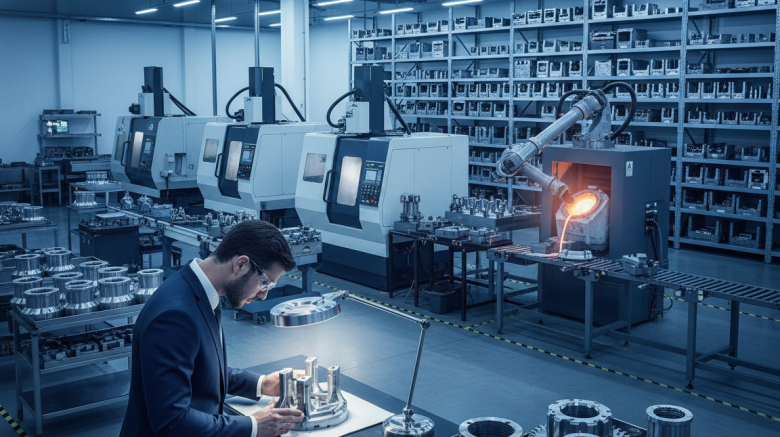
Cast inserts, though small, play a important role in supporting durable threaded connections within plastic, metal, and composite products. Lowrance Machine excels in combining tooling, cast production, and precision CNC work. This integrated workflow enables the production of carefully finished cast inserts and machining in Dallas, serving both limited production runs and large production volumes.
Reliable CNC Machining Company Serving Dallas Manufacturers
Support available through local cast inserts Dallas providers help shorten lead times and tighten logistics for manufacturers across a wide range of fields. Lowrance Machine relies on specialized techniques like rubber molds Dallas, compression molds Dallas, urethane casting, and die casting. These methods are similar to those used by industry giants such as Aluminum Die Casting Company and DyCast Specialties, ensuring dependable quality.
A supplier such as Yardley Inserts, with its long background in supplying both standard and custom threaded metal inserts, underscores the market’s demand for both stocked and bespoke options. Lowrance Machine offers cast inserts manufacturing services in Dallas Tx, supported through post-cast CNC lathe machining services in Dallas. This complete process delivers finished parts that align with demanding tolerances and assembly standards.
Complete Overview Of Cast Inserts Manufacturing Services
Cast-in threaded inserts are intricately designed metal components embedded within a host material. They function as robust fastening points, ensuring durability and resistance to wear. This manufacturing technique is well suited for applications requiring repeatable connections in materials such as soft or engineered host materials.
Understanding Cast Inserts And Their Materials
Typical material choices for cast inserts include steel, brass, and corrosion-resistant stainless grades such as 304 and 316. Aluminum die casting often incorporates harder alloys to increase thread strength. Engineered plastics are used as suitable receiving components, working cleanly with polymer components.
Manufacturers such as Aluminum Die Casting Company and DyCast are known for combining die casting with precision machining. Yardley Inserts exemplifies the demand for both regular and specialized cast inserts, catering to a large selection of production requirements.
Typical Applications Across Industries
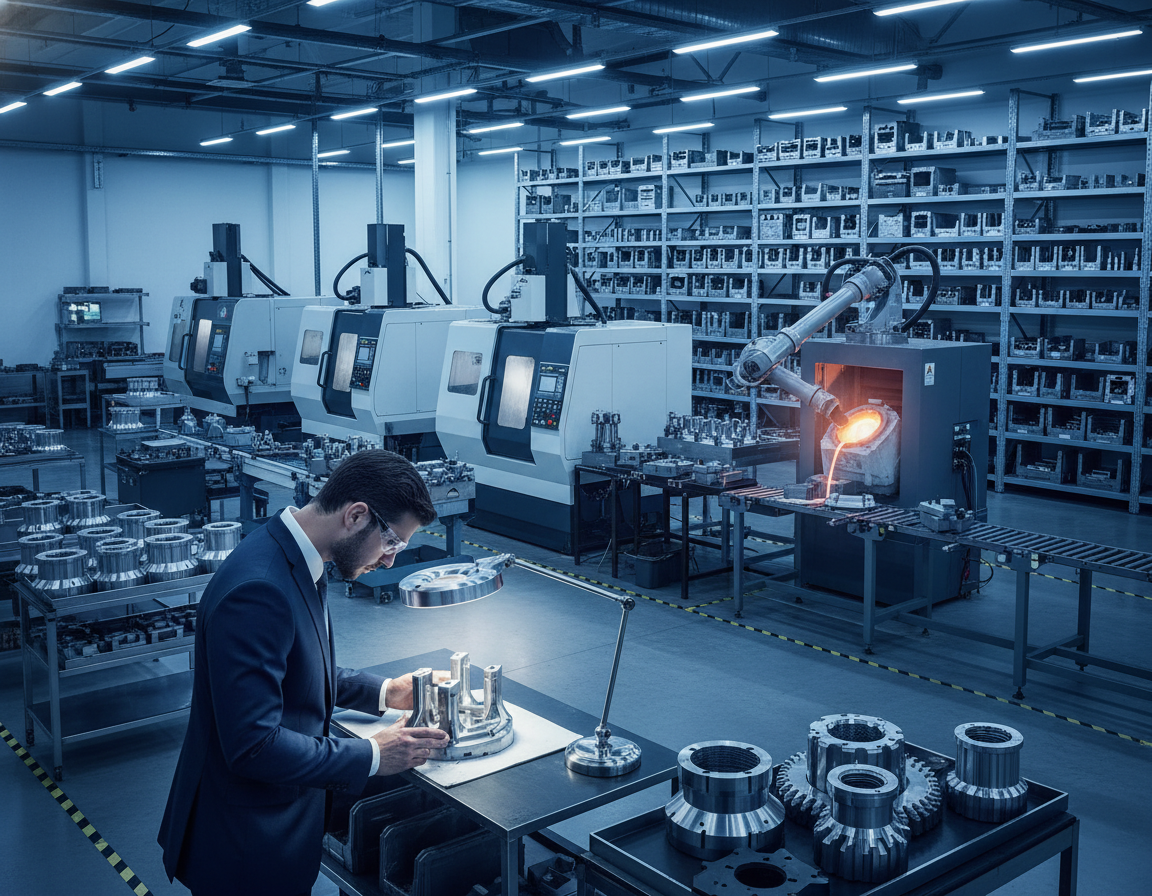
Across furniture applications, cast inserts fortify joints and mounting points, helping maintain the stability of hardware. Medical device manufacturers use them for housings and assemblies that require precise tolerances and consistent fastening. The electronics sector depends on inserts as PCB standoffs and heat-sink mounts, where both electrical and thermal performance are critical.
Defense and marine hardware heavily use cast inserts for applications such as stuffing tubes, mounting brackets, and corrosion-resistant fittings. These environments require materials and processes capable of handling stress and exposure.
Lowrance Machine’s Role In Cast Insert Manufacturing
Lowrance Machine offers comprehensive cast inserts manufacturing services, including mold building, casting, CNC finishing, and assembly integration. By merging die casting with precision machining, the company supplies inserts ready for immediate installation, serving contract manufacturers.
As a capable machine shop in Dallas for custom metal parts, Lowrance Machine caters to local OEMs requiring swift production. For businesses seeking a precision machine shop in Dallas for industrial components, the company coordinates the process from tooling to quality checks, ensuring uninterrupted production.
| Manufacturing Capability | Material Options | Industry Use |
|---|---|---|
| Mold creation and tooling | Tool aluminum and steel core materials | Prototype work, short runs, and production molds |
| Metal casting and sand casting | Aluminum alloys, brass, zinc | Large-batch inserts for electronics and furniture |
| Precision CNC finishing and machining | Stainless grades 304/316 and hardened steel | Medical devices, marine fittings, military hardware |
| Kitting and assembly integration | Matched insert and housing materials by specification | Electronics assemblies and finished consumer goods |
Key Advantages Of Cast Inserts For Precision Parts
Cast inserts serve as a practical solution for designers aiming to embed metal threads within softer materials. They make possible the creation of a robust metal-to-metal interface, thereby enhancing thread durability and performance under wear and tear. This is highly valuable in environments where repeated assembly cycles are required, as it helps lower the risk of thread stripping in plastics and composites.
Integrating cast inserts often reduces the necessity for additional hardware or adhesives, thereby streamlining the assembly process and controlling long-term expenses. In many applications, these inserts outperform the performance of press-fit fasteners and direct tapping in plastic, supporting extended service lifetimes and a smaller frequency of field repairs.
For prototypes and short production runs, urethane or silicone casting acts as a quick and affordable alternative to injection molding. The creation of silicone molds can be handled to a timeframe of as little as one to two weeks, whereas aluminum tooling may require a month or more for preparation. This disparity demonstrates the efficiency of these casting methods in speeding the development cycle.
Urethane casting also exhibits comparative advantages over repeated 3D printing for larger prototype batches. It supports a reduction in per-piece costs and an enhancement in surface finishes, thereby supporting the validation of design iterations prior to the investment in production tooling.
Sourcing through local manufacturing entities in Dallas can meaningfully reduce lead times and reduce shipping-related delays. A Dallas CNC machine shop, skilled in short run and production machining, can speed up the transformation of prototypes into finished parts. For those requiring additional finishing, CNC lathe machining Dallas businesses are valued for their precision and consistency in achieving tight tolerances.
Partnering with a trusted CNC machining company serving Dallas manufacturers supports the project’s timely completion. Local mold builders and precision shops support rapid tooling, finishing, and quality assurance services. This local coordination supports both single prototype builds and repetitive production cycles, avoiding the need for lengthy delays.
Local Cast Inserts Manufacturing Services In Dallas Tx
Manufacturers in the Dallas area combine mold making, casting, and finishing under one roof, supporting production efficiency. They provide silicone mold building for prototypes and compression tooling for short runs. This method supports rapid iteration and ensures superior final part quality.
Local Mold Building, Casting, And Finishing Capabilities
Local Dallas specialists deliver mold building services for manufacturing operations. They excel in creating both rubber molds and precision compression molds. Silicone molds are produced within one to two weeks, making urethane casting perfect for functional prototypes. For metal inserts, die casting or gravity casting is paired with CNC turning and milling to hold precise tolerances.
Benefits Of Working With A Dallas-Area Supplier Like Lowrance Machine
Lowrance Machine offers integrated workflows that bring together mold building, casting, and post-cast CNC lathe work. This approach limits handoffs, ensuring consistent results. Customers benefit from 3–5 axis machining, CMM inspection, and surface treatments, all within the metro area.
How Regional Supply Reduces Shipping And Lead Times For Dallas Manufacturers
Regional sourcing helps cut transit time and shipping costs, strengthening communication during design and tooling stages. This improves the loop between engineering and the shop, accelerating problem-solving for tight schedules. For manufacturers requiring rapid prototypes or small production runs, local cast inserts manufacturing services in Dallas Tx offer major logistical benefits.
Materials And Processes Used For High Precision Cast Inserts
Choosing metal and manufacturing process helps determine the performance, cost, and delivery time of cast inserts. This guide provides an overview of widely used options and the role of secondary operations in meeting precise specifications for complex assemblies.
Common Metal And Alloy Options
Die-cast aluminum alloys are commonly chosen for their low weight and resistance to corrosion, making them practical for consumer and electronic components. Stainless steels, including 304 and 316, are chosen for their corrosion resistance in marine and medical applications. Hardened tool steels are used in high-wear, load-bearing roles in industrial machinery. Brass and bronze, recognized for their corrosion resistance and ease of machining, are commonly used in decorative and electrical components.
Casting And Prototype Molding
Investment casting, gravity casting, and aluminum die casting are specified for metal inserts requiring mechanical strength. Urethane casting with silicone molds delivers a quick, budget-conscious solution for prototypes and small batches. This method enables the validation of form and fit without the expense of aluminum or steel tooling. Suppliers in Dallas often deliver low-volume silicone mold options, accelerating development timelines.
Secondary Finishing And Machining
Once parts are cast, precision machining improves tolerances and enhances surface quality. Common secondary operations include turning, milling, thread rolling, slotting, and drilling. Surface treatments such as plating or passivation can extend the lifespan of components in harsh environments. Local machine shops in Dallas use advanced CNC lathe machining and multi-axis milling to hold stringent specifications, as outlined by industry leaders like DyCast and Lakeside Screw Products.
Material Tradeoffs And Selection Guide
Urethane casting remains economical for small runs, delivering a balance of cost and speed. For larger production volumes, metal casting combined with secondary machining can lower costs per unit and strengthen mechanical properties. Engineers must consider material properties, expected wear, and necessary post-casting operations to hold final specifications.
Custom Cast Insert Applications In Dallas
For custom cast inserts in Dallas, manufacturers can use both mold builders and precision shops. Combining resources for compression molds in Dallas with full metal casting and CNC lathe machining promotes a seamless transition from concept to production.
Tooling Options For Cast Insert Production
The selection of tooling helps determine the cost, lead time, and quality of cast inserts. Local expertise facilitates rapid iteration and limits waste. An experienced mold builder in Dallas for custom tooling solutions provides practical design options. These options reduce defects, make easier part release, and extend tool longevity.
The Role Of Local Mold Makers
Working with skilled tooling partners in Dallas during design reviews is important. They propose draft angles, venting, and radii that improve fill quality and lower porosity. These design refinements lower scrap and expedite production approval.
Silicone And Compression Options
Silicone molds are practical for rapid, cost-effective urethane casting prototypes. They help teams to validate form and fit within a short one-to-two-week window. Conversely, compression molds are preferred for rubber parts, where controlled pressure is important for elastomer flow and cure. Shops offering rubber molds Dallas and compression molds Dallas support short runs and functional prototypes without heavy upfront costs.
Aluminum And Steel Compared With Elastomer Tooling
Aluminum and steel tools are appropriate for high-volume injection or die casting, delivering durability and consistency. These tools need longer lead times and higher initial investments. However, they offer a lower per-part cost at scale and superior surface finish for machining and plating.
Cost And Lead Time Tradeoffs
Early-stage tooling options emphasize speed. Silicone tools typically deliver samples in one to two weeks. In contrast, aluminum or steel tooling may take four to eight weeks, contingent on complexity. The right choice depends on balancing run quantity, geometric complexity, and finish requirements.
Mold Building And Manufacturing Integration
Full-service mold building support in Dallas for manufacturers encompass master pattern making, tool trials, and maintenance plans. Choosing local providers shortens shipping time and streamlines revisions during development. This promotes a more predictable transition from prototype to production.
CNC Machining And Post-Cast Operations
The process of refining cast inserts requires meticulous machining and rigorous inspection. Dallas-based local shops apply a combination of turning, milling, and measurement techniques. This approach transforms raw castings into components of tight-tolerance quality. Such work ensures that parts satisfy stringent standards of diameter, concentricity, and thread quality, serving the demands of aerospace, medical, and industrial sectors.
Lathe Finishing For Precision Inserts
Running modern lathes, turning and single-point threading enable the creation of parts with consistent thread form and concentric bores. These shops, skilled in CNC lathe machining services in Dallas, support both prototype batches and volume production. Their ability to swiftly set up and maintain consistent cycle times shows their commitment to precision.
Multi-Axis Milling For Complex Parts
Five-axis mills are valuable for handling parts with detailed forms and multi-face features, limiting the need for multiple fixtures. Regional suppliers, supported by such advanced machinery, cater to clients in Dallas who require parts with undercuts, compound angles, or simultaneous five-sided machining.
Surface Verification And Inspection
CMM systems play a major role in validating critical dimensions and geometric tolerances. These machines, along with thread gauging, surface finish testing, and statistical sampling, guide quality assurance initiatives. Such measures are designed to lower scrap and rework, improving overall efficiency and product quality.
| Process | Core Capability | Usual Application |
|---|---|---|
| Precision turning | Tight threading, precise diameters, and concentricity to 0.0005″ | Inside and outside threads on brass, bronze, and aluminum inserts |
| 5-axis milling | Intricate contours, indexed faces, and one-setup precision | Cast inserts requiring undercuts, angles, and several machined features |
| Coordinate inspection | Dimensional reports, GD&T checks, and 3D coordinate inspection | Final approval for critical medical and aerospace parts |
| Surface finish testing | Polishing, coating preparation, and Ra measurement | Surface finish confirmation for functional and cosmetic assemblies |
| Documented inspection plans | Full or sampled inspection backed by documentation | Critical runs where inserts must meet specification |
Collaborating with a reputable CNC machine shop in Dallas simplifies the transition from casting to final machining. Such partnerships with CNC machining experts serving Dallas texas manufacturers help ensure that tooling selections and inspection protocols match the specific requirements of the end-use application.
Custom Fastener Support And Insert Integration
Pairing cast inserts with matching fasteners enhances assembly efficiency and improves part lifespan. Engineers in Dallas carefully match insert geometry, thread forms, and material with fastener suppliers. This avoids galling and stabilizes installation torque. Local collaboration accelerates iteration, supporting parts meet production goals.
Matched Component Supplier Coordination
Collaboration with a custom fastener manufacturer in Dallas ensures thread, size, and finish alignment with insert designs. Regional fastener shops and precision machine shops offer matched solutions for various fastener types. Yardley Inserts exemplifies the coexistence of standard and custom items in high-volume production.
Design Considerations For Assembly And Reliability
Material matching and thermal movement are important when specifying inserts and fasteners. Thread engagement length, installation method, and corrosion protection are key to long-term reliability. Assembly processes must define installation torque and retention methods, especially for vibration resistance.
Examples In Industrial Use
Custom cast insert applications in Dallas include electronics housings, furniture joints, medical device assemblies, and heavy marine fittings. Examples include stuffing tubes and heavy-duty ship components, demonstrating large-scale applications. Precision shops offer secondary machining and matched fasteners, making sure parts are ready for assembly.
| Assembly Application | Threaded Insert Type | Fastener Pairing | Design Priorities |
|---|---|---|---|
| Electronics housings | Threaded brass insert | M2–M4 machine screws | Low thermal expansion, controlled torque, EMI considerations |
| Furniture assembly | Zinc cast threaded insert | Bolts and captive screw hardware | High retention strength, flush appearance, and finish plating |
| Healthcare equipment | Precision stainless steel insert | Clinching fasteners and threaded studs | Corrosion resistance, biocompatibility, and exact torque specifications |
| Boat and ship hardware | Cast bronze insert | Marine bolts and threaded fittings | Marine corrosion resistance, long lifespan, and fatigue performance |
Partnering with a custom fastener manufacturer in Dallas and early specification of custom fasteners streamline design convergence. This approach cuts down rework and enhances retention under load. Local partnerships promote efficient testing and qualification for production programs.
Complete Supplier Capabilities For Turnkey Services
One supplier handling each production stage streamlines schedules and improves part quality. Local manufacturers can transition from CAD models to finished hardware with fewer delays, reducing the need to manage multiple vendors. This method improves the approval process, accelerates iteration cycles, and minimizes risks for projects with tight deadlines.
End-To-End Services
Prototyping and design support form the foundation for dependable parts. Rapid 3D printing for masters and precision mold building enable urethane or die casting runs. CNC finishing and inspection support customers receive inserts ready for installation.
Lowrance Machine Capabilities
Lowrance Machine provides mold building, casting, precision machining, and inspection under one roof. This workflow enables a smooth transition from prototype to short-run production with consistent tolerances. Lowrance Machine integrates with shop floor scheduling, aligning volumes and delivery windows.
Working With The Right CNC Shop
Choosing a trusted CNC machine shop in Dallas for custom machined parts minimizes handoffs and improves problem resolution. A reliable CNC machining company serving Dallas manufacturers delivers machining expertise, robust quality control, and rapid response to design updates.
Selecting turnkey cast insert services and local expertise significantly reduces lead times and helps keep projects within budget. Suppliers that integrate casting and machining capabilities deliver a single point of contact for engineering changes, inspection data, and delivery coordination.
Production Stability Through Industrial Machine Repair And Maintenance
The essence of maintaining production schedules for cast inserts relies on the efficiency of machine maintenance. Dallas-based localities support on-site technicians and comprehensive shop rebuilds. These services are built to limit downtime, supporting mold making, casting, and CNC finishing processes remain uninterrupted.
Importance Of Rapid Service To Avoid Downtime
Unforeseen interruptions can severely disrupt delivery schedules and drive up operational costs. The quick involvement of industrial machine repair specialists in Dallas is crucial. It supports uninterrupted production shifts and reduces the accumulation of workloads. Furthermore, preventive maintenance agreements are useful in averting emergency situations by detecting potential issues before they escalate into full-blown failures.
How Upkeep Supports Consistent Quality And Lead Times
Stable production quality and reliable schedules are directly linked with the regularity of maintenance activities. Tasks such as alignment, spindle tuning, and tool-offset checks are essential for maintaining dimensional precision in machined inserts. Additionally, the routine servicing of presses and grinding equipment is necessary to sustaining surface finish and tolerances, thereby helping ensure that production timelines remain consistent and scrap rates are minimized.
Available Repair And Field Service Options For Manufacturers
Industrial service providers in Dallas delivers a range of services, including machine tool rebuilding, field machining, on-site alignment, spindle repair, and parts support. These comprehensive industrial equipment and machine repair services in Dallas, Texas, are designed to extend the lifespan of machinery and accelerate its return to operational status.
Finding Service That Supports Production Needs
Before hiring a service provider, it is wise to evaluate response times, spare-parts availability, and the provider’s experience with similar equipment. Selecting a service that brings together industrial machine repair services in Dallas, Texas, with preventive maintenance programs is essential. This strategy supports that manufacturers can meet their deadlines without compromising on the quality of their products.
Choosing A Reliable Cast Inserts Manufacturing Partner
Finding the right supplier hinges on their proven track record in cast insert production and their ability to swiftly transition from tooling to machining. Select a partner that combines mold creation, casting, and CNC finishing within a single facility. A precision machine shop in Dallas, renowned for industrial components, should maintain documented quality assurance processes. These include CMM inspections, first-article reports, and traceable records, thereby lowering risk and accelerating the qualification phase.
You should look for a vendor that delivers transparent cost and lead-time comparisons. This transparency is essential when deciding between silicone or urethane tooling versus aluminum and steel. For smaller production runs, silicone tooling offers a cost-effective solution with a reduced lead time. Conversely, for larger volumes, aluminum or steel molds offer superior durability and tighter tolerances.
Before making a commitment, request references, sample parts, and inspection reports. A dependable machine shop in Dallas, valued by industry leaders, will provide a detailed roadmap from prototype to production. They should also demonstrate their past collaborations with insert specialists, such as Yardley Inserts, to support their industry standing. Request specific details on turnaround times, anticipated scrap rates, and planned inspection protocols to effectively compare different vendors.
Evaluate the advantages of partnering with a local entity like Lowrance Machine, which provides seamless integration of mold building, casting, and precision machining. A local partner can greatly shorten shipping times, make possible easier on-site visits, and expedite the iteration process for Dallas manufacturers. Ultimately, select vendors with robust quality systems, comprehensive capabilities, and a transparent plan for tooling and volume to help deliver a smooth transition from prototype to production.
Related: Complete-Service Machine Shop Providing Fabrication And Machining in Dallas